Renovating the Old Kings County Courthouse
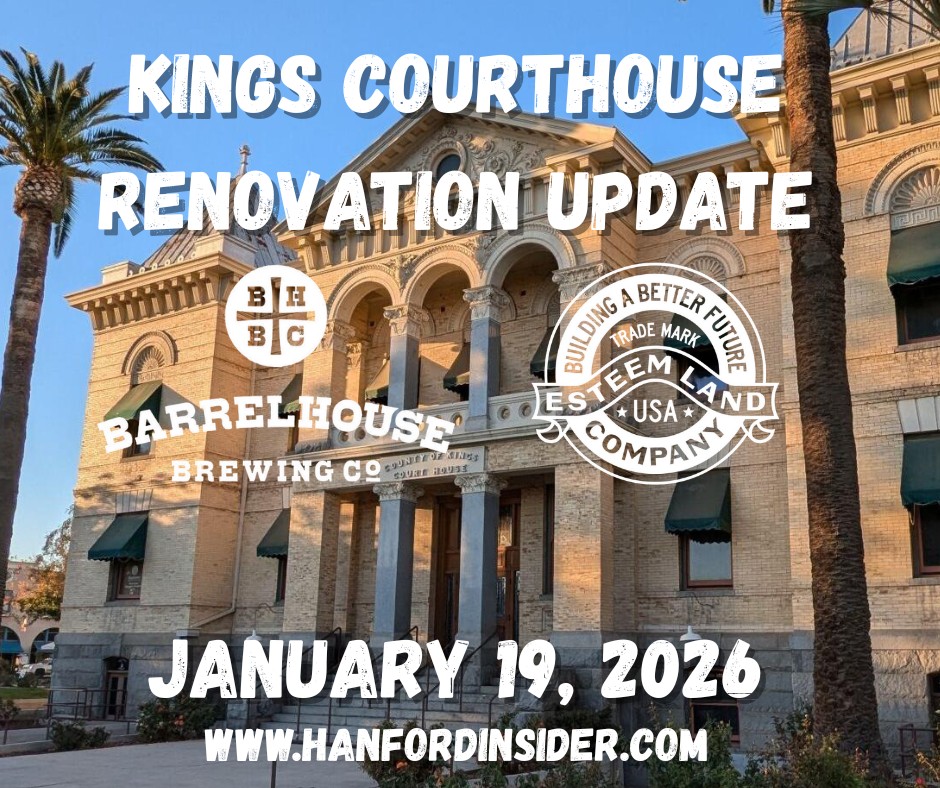
Downtowns don’t rebound by accident—they rise when people decide to invest sweat, patience, and capital into places others wrote off. That’s the heart of our talk with Kevin Nickel, co-founder of Esteem Land Co., Carvalho Construction, and BarrelHouse Brewing. Kevin lays out a clear plan to bring Hanford’s historic courthouse back to life, not as a museum piece but as a working anchor for business, culture, and nightlife. His story begins in construction, moves through the 2008 downturn, and arrives at a craft beer venture that sharpened both operations and vision. That same builder’s mindset now fuels a multi-year rehabilitation of one of Hanford’s most iconic buildings.
Kevin’s approach starts with infrastructure, not hype. The courthouse is structurally sound, but decades of deferred maintenance left plumbing, electrical, mechanical, and accessibility in rough shape. Teams are clearing debris, modernizing the elevator, addressing ADA access, and rebuilding from the basement up. It’s unglamorous work—think 40-yard bins of junk and a kitchen buried in pigeon mess—but it’s the only path to a durable future. Preserving the neoclassical Romanesque exterior aligns with historic requirements and keeps the building’s character intact, while inside, new systems will support modern tenants, a food partner, and a BarrelHouse taproom that draws steady foot traffic.
We also explore Kevin’s track record nearby, especially the Wealth Building turnaround. By upgrading HVAC, fixing leaks, and modernizing suites, he created affordable, secure spaces where small businesses could thrive. Cafecito and the açai bar grew visibility and volume after relocating, while upstairs offices filled with barbers, counselors, estheticians, and solo professionals. Pricing that includes utilities reduced friction for new tenants, and proactive support on base build-out minimized their upfront costs. That mix—fair rent, better bones, and consistent upkeep—proved that downtown demand exists when barriers are lowered.
The courthouse plan follows a similar playbook with bigger stakes. Step one: stabilize the building, then lease the basement and second floor to offset taxes, insurance, and utilities. Step two: open the upstairs anchor with BarrelHouse and a strong food concept to generate regular crowds. Every visitor who goes upstairs walks past ground-floor tenants, creating natural spillover and discovery. It’s intentional urban design on a block-by-block scale, turning a landmark into an engine for commerce. Kevin is candid about timing: three years at minimum, with early tenant openings targeted within six months once core systems are safe and reliable.
We address local myths too—chiefly the confusion between the Bastille and the courthouse. The Bastille has structural challenges; the courthouse does not. That difference matters because it shapes risk, budget, and feasibility. While the exterior of the courthouse will mostly remain as-is, the interior will be reimagined for modern use. The result isn’t nostalgia; it’s a practical hybrid of heritage and hospitality that makes downtown a destination. With consistent operations from BarrelHouse taprooms in Paso Robles, Visalia, Fresno, and soon Bakersfield, Kevin brings confidence in running high-traffic spaces as well as building them.
Finally, there’s a clear invitation. Entrepreneurs, creatives, and service providers who want to be part of a revived core can get in early, secure space, and grow with the project. Esteem Land Co. is taking inquiries now, and Kevin’s team aims to reduce tenant improvement burdens by delivering strong base infrastructure. The math is simple: when small businesses succeed, the building succeeds, and the city benefits from more reasons to gather, spend time, and feel proud of place. It’s a patient play—one measured in years, not weeks—but it’s how lasting downtowns are built. If you’ve been waiting for a sign to bring your concept to Hanford’s heart, this is it.